Cadastre ·
Spanish Cadastre Act and how land surveying helps
We carry out cadastral updates that comply with the Spanish Cadastre Act and keep the Cadastre coordinated with the Land Registry (Registro de la Propiedad).
The Spanish Cadastre Act (Ley del Catastro Inmobiliario), approved by Royal Legislative Decree in 2004, is the regulation that lays down the basis for keeping the Cadastre (Catastro, Spain’s land and property register for tax purposes) of real estate in Spain.
What the Cadastre is
The Cadastre is an administrative register that collects and maintains information about real estate: its characteristics, location and ownership. This makes it possible to determine the cadastral value of properties, which is used to calculate taxes and for other legal purposes.
Why the Cadastre Act matters
The importance of the Cadastre Act lies in the fact that it establishes the legal and technical framework for managing the Cadastre. Its main objectives include regularising the Cadastre, updating and maintaining cadastral information, and coordination between the various public authorities involved in its management.
The land surveyor’s role
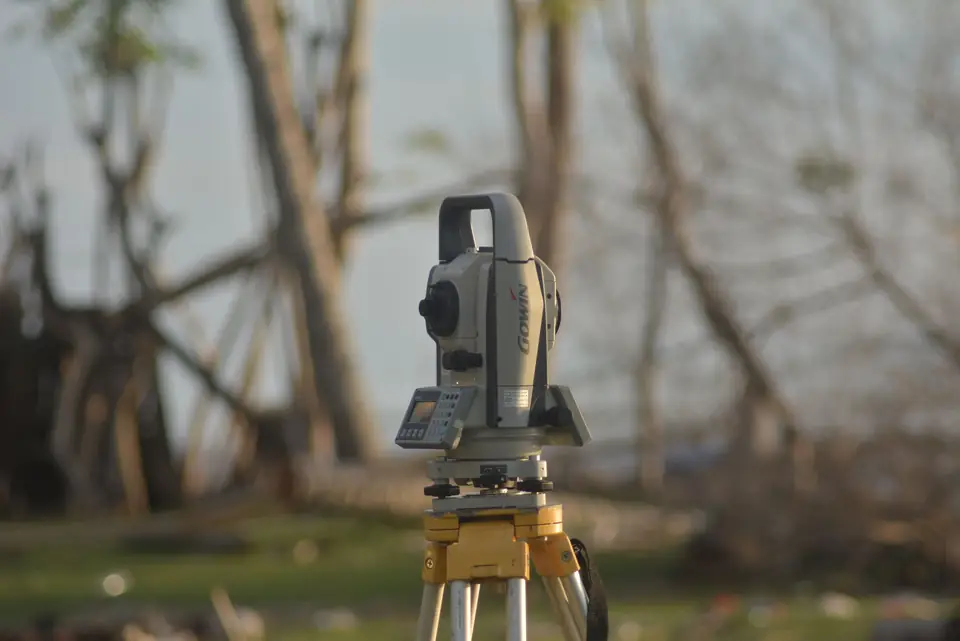
Land surveyors are the professionals responsible for taking the measurements and carrying out the topographic surveys needed to update and maintain cadastral information. Their work is fundamental to guaranteeing the precision and reliability of the Cadastre and, therefore, of the cadastral value of properties.
In short, the Cadastre Act is a key regulation for the management and regulation of the Cadastre in Spain. And land surveyors are the professionals who carry out the measurement and topographic survey work needed to keep cadastral information up to date and reliable.
Tags actualizacion catastralcatastrodeslindegeorreferenciacionibipropiedad
Written by Vicent Doménech, geodesy and cartography engineer, chartered surveyor no. 8948.